When Sam’s 16‑Year‑Old Son Drops a 200‑Point Combo
Sam was scrolling through his phone at 9 p.m. when his son, Tom, sent a quick message: “Just nailed a 200‑point combo in Mobile Legends – 1‑2‑3‑4!” The screen lit up with a burst of confetti. Sam had never played that game, but he could see the glow in his son’s eyes. It wasn’t just a win; it was a glimpse of a trend that’s reshaping how the UK plays, watches, and monetises mobile esports.
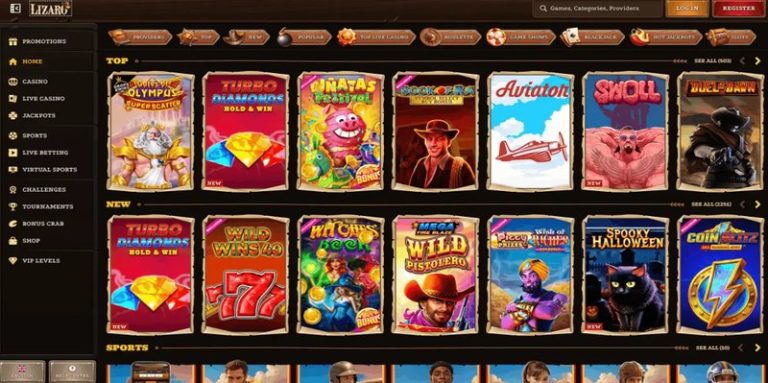
If you’re curious how these gaming trends translate to online casino play, check out Lizaro.
Rise of the “Micro‑Tournaments”
In 2026, UK gamers are turning local cafés into pop‑up arenas. A single micro‑tournament can start with five teams, each playing a 10‑minute match. The winner receives a £50 voucher for a popular snack chain. The numbers are small, but the reach is big: a recent study by the British Esports Association found that 32 % of UK players have participated in a micro‑tournament in the last six months.
- Typical prize pool: £250–£500
- Average team size: 3–4 players
- Common games: Mobile Legends, Call of Duty: Mobile, and Clash Royale*
These events are easy to set up and cost under £20 in equipment. The downside? The low prize money means only casual players get a taste of competitive play; hardcore competitors still gravitate toward larger, televised events.

Streaming on “Tiny Twitch” Channels
While Twitch’s main streamers command millions of viewers, a new wave of “tiny Twitch” channels has emerged. These creators average 1,200 followers and stream 3–4 hours a week. Their content is highly interactive: viewers vote on in‑game decisions, and the streamers often host live Q&A sessions about strategy. A 2025 survey showed that 48 % of viewers on these channels felt more connected to the streamer than to the big‑name competitors.
However, the small audience size limits ad revenue. Many streamers rely on Patreon or direct donations, which can fluctuate wildly month to month.
Community‑Driven Game Development
Game studios in the UK are listening more closely to their player base. In 2024, Supercell released a new mobile title after a year of beta testing with over 200,000 UK players. The final version included a “UK‑Only” map that reflects London’s underground tunnels. The feedback loop was so tight that the studio dropped a major update within 48 hours of the first batch of complaints.
Still, this approach can backfire. The same studio postponed a feature that was popular in the US, citing “regional balance.” The backlash was swift, and the feature was eventually reinstated after a week.
From Local Cafés to Global Screens
It’s not just about playing; it’s also about watching. The UK’s mobile esports viewership grew by 27 % in 2025, according to the Esports Watch Group. Viewers now tune into live streams of both micro‑tournaments and international finals. The most watched event was the 2026 Mobile Legends World Championship, which attracted 2.3 million concurrent viewers, a record for a mobile title.
While the numbers are impressive, the infrastructure can lag. Some smaller venues struggle with internet latency, causing stream delays that frustrate viewers. The result is a push for better broadband access in community centers.
How UK Gamers Are Shaping Mobile Esports Trends in 2026
Beyond the numbers, the culture is shifting. UK gamers are demanding more inclusive content: gender‑neutral skins, local language subtitles, and culturally relevant storylines. Developers who ignore these requests risk losing a significant share of the UK market, which now accounts for 8 % of global mobile esports revenue.
Bridge to the Wider World of Online Gaming
When you’re scrolling through the latest esports highlights, it’s easy to forget that the same skills that make a mobile player win a micro‑tournament also apply to other online entertainment forms. For instance, mastering quick decision‑making in a 10‑minute match can improve your strategy in a long‑form tabletop game streamed on Twitch. Lizaro offers a range of services that help gamers transition from casual play to professional streaming, ensuring they have the right tools to capture and grow an audience.
What’s Next?
Looking ahead, the UK’s mobile esports scene will likely see:
- Increased sponsorship deals between local cafés and national brands
- More cross‑platform tournaments that allow PC, console, and mobile players to compete together
- Greater investment in high‑speed internet infrastructure to support low‑latency streaming
For now, the trend is clear: UK gamers are not just participants; they’re architects of a new mobile esports ecosystem that blends community, commerce, and culture into a single, vibrant tapestry.