
When the Grocery Bill Hits the 12‑Hour Mark
Last Thursday, I walked out of a supermarket with a bag full of produce, a dozen eggs, and a receipt that read £68.50. The price tag on the kale was higher than the lettuce, and the milk had a discount that I didn’t notice until I was halfway home. I stared at the numbers for a moment, then pulled out my phone to check my bank app. The account balance had dipped below the safe threshold I’d set for monthly essentials. That was the moment I realized my budgeting habits were slipping.
Set a Concrete Spending Floor
Instead of vague “save more” goals, I started tracking every category with a dollar amount. For groceries, I capped the spend at £150 per month. For dining out, I limited myself to £40. If I exceeded a category, I had to cut something else—like the weekly streaming subscription—until the next month. The trick is to write the limits down and stick to them. A spreadsheet with columns for “planned,” “actual,” and “difference” turns the abstract into a visible metric.
Automate the “No‑Touch” Rule
Many people keep a separate savings account but forget to move money into it. I set up an automatic transfer of 10% of every paycheck to a high‑interest savings account. The transfer happens before I even see the money, so I can’t overspend it. The account earns 1.5% APY, which is higher than the average bank savings rate. Over a year, that 10% adds up to a cushion that covers a surprise car repair or a holiday ticket.
Track Subscriptions with a Calendar
Monthly services—music, video, cloud storage—often slip through the cracks. I marked each renewal date on a physical calendar and set a phone reminder a week before. When a renewal date approached, I asked myself if the service was still useful. If not, I canceled it. I cut three subscriptions last year, saving £36 per month.
Use the 50/30/20 Rule, but Adjust the Numbers
Instead of the standard 50/30/20, I tweaked it to 45/35/20 for my situation. 45% goes to essentials (rent, utilities, groceries), 35% to lifestyle (entertainment, dining out, travel), and 20% to savings and debt repayment. The shift acknowledges that my rent is 25% higher than the national average, so I need a larger slice for housing. The extra 5% in the savings bucket helps me build an emergency fund faster.
Track Cash Flow with a Mobile App
There are free apps that let you categorize every transaction automatically. I chose one that syncs with my bank and alerts me when I’m close to a category limit. The app sends a push notification at 8 pm if I’ve already spent £70 on dining out that month. The real‑time feedback stops me from making impulsive purchases.
Donbet Casino Uk and Entertainment Spending
When I’m looking for a break after a long week, I sometimes think about online gaming. I keep my budget in check by setting a strict entertainment cap—no more than £15 a week on games, movies, or online gambling. If I hit that cap, I switch to a low‑cost activity like a walk or a DIY project. This discipline keeps my wallet healthy while still allowing me to enjoy leisure time.
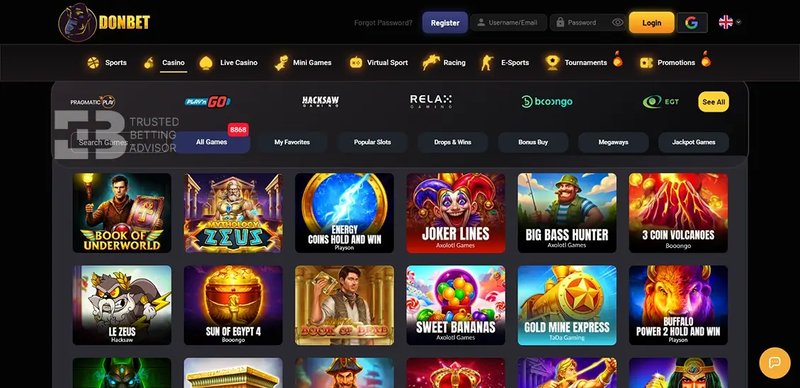
If you’re looking for a quick thrill, Donbet Casino Uk offers a range of games to test your luck.
Reassess Quarterly, Not Annually
Cost of living can change quickly. I review my budget every three months, not just at year‑end. If rent rises, I adjust the “essential” percentage and look for ways to trim the “lifestyle” slice. Quarterly reviews prevent me from living in a budget that’s already outdated.
Close the Loop with a Review Sheet
At the end of each month, I print a simple sheet that lists my planned amounts, actual spend, and the variance. I note what caused any overages—was it an unexpected bill or a spontaneous dinner? I then write a short action plan for the next month. This loop turns budgeting from a chore into a data‑driven habit.
Final Thought
Smart budgeting isn’t about cutting every pleasure. It’s about knowing where every pound goes and making intentional choices. By setting concrete limits, automating savings, and reviewing regularly, you keep your wallet healthy without feeling deprived. The next time you see a price tag that looks higher than it should, remember that a clear budget turns that moment into a decision, not a regret.